
Jeffersontown Previous Resident Eras
Different years call for different sources. Current parcel data establishes the starting point, but older Jeffersontown previous residents require a mix of recorded title, regional directories, maps, and archival indexes. Coverage dates describe the source, not a promise that every address appears.
| Source | Years It Covers | Where Held | What It Shows |
|---|---|---|---|
| Current deed index | August 1984 to present | Jefferson County Clerk online | Parties, instruments, dates, book/page and references |
| Legal-record archive | 1966 to 1984 | Jefferson County Clerk archive | Earlier recorded title instruments |
| County deed series | 1783 to 1910 inventory | KDLA and county custody | Older title trail; inventory is not complete |
| City and suburban directories | 1832 to 2000, except Civil War years | Louisville Metro Archives | Dated names and addresses when Jeffersontown is covered |
| Sanborn maps | From 1905 at Metro Archives | Metro Archives and LFPL leads | Building footprint, use, number and street context |
| Obituary index | 1918 to 1987 | LFPL | Name, date and newspaper lead |
Start with PVA and LOJIC even for an old-house question because the parcel ID and legal description bridge modern and historic labels. Then use the online deed era. When the trail reaches its cutoff, move to the legacy archive and Deed Room. Directories and census sources test occupancy; they do not replace title evidence.
County orders and wills can fill different parts of the trail. KDLA's inventory lists Jefferson County orders from 1780 through 1901 and will series from 1784 through 1872 and 1879 through 1901. An order may explain a public action or land dispute. A will can identify heirs or a transfer after death. Neither source automatically places the named person in the structure. Likewise, cemetery cards and death records are family and event clues, not stand-alone proof of an address.
Start With One Jeffersontown Parcel
Search the current address in the Jefferson County PVA Property Search. Save the parcel ID, owner spelling, assessed parcel address, acreage, and neighborhood label. If the free address result is unclear, switch to parcel ID. Owner, legal, and sales searches need a subscription, but deeper access is available at the PVA office or an LFPL terminal.
Next, open LOJIC's Parcel Report. Record the situs address, owner mailing address, parent parcel, subdivision or lot, year built, previous owner or grantor, deed book and page, and transfer dates where present. A split or merged parcel can explain an apparent gap. Do not assume the current owner occupies the property.
The legal description deserves its own note field. Street numbers are administrative labels that can change, while a subdivision lot or deed description may carry through several address systems. Compare acreage and parcel shape as well as names. LOJIC's district and character fields can add context, but its map is not a legal survey. If a boundary is disputed, return to the recorded plat and deed rather than measuring the screen.
Note: Preserve the portal's exact owner spelling in search notes, even when it differs from the city's standard spelling.
Trace Jefferson County Deed Chains
A chain of title is the sequence of recorded transfers for the same land. The present owner is the first search name, not the final answer about prior occupancy. Work backward from buyer to seller and retain the land description at each turn.
- Copy the current owner, parcel ID, legal description, and any book-page or transfer clue from PVA and LOJIC.
- Use the clerk's deed name search. Search the owner as grantee, then compare dates and instrument types.
- Open the purchase instrument and record its grantor, grantee, book-page, control or reference number, and recording date.
- Search that grantor as a grantee to locate the earlier purchase. Use book-page or refers-to mode when the instrument supplies a direct reference.
- At 1984, switch to the 1966 to 1984 archive. Before 1966, contact the Deed Room and consult KDLA or FamilySearch catalogs.
- Grantor
- The party transferring an interest, commonly the seller.
- Grantee
- The party receiving an interest, commonly the buyer.
- Chain of title
- The linked sequence of recorded ownership transfers.
- Legal description
- The land identifier in a deed, often more stable than a street address.
The deed book-and-page form retrieves a citation already found in a parcel report or instrument.
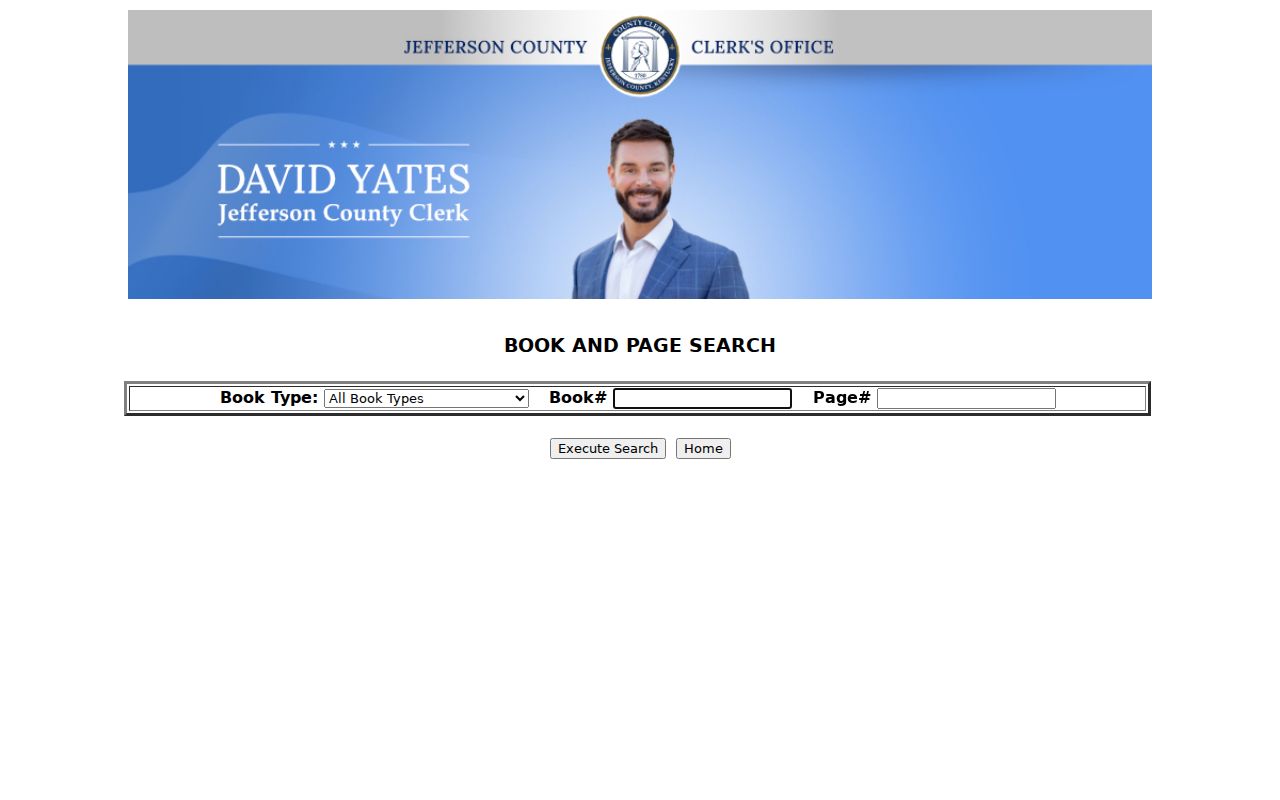
Book and page keep the search tied to a recorded document instead of a similar surname.
The name search also supports date ranges, instrument types, exact or pure-alpha matching, and grantor, grantee, or both roles. Use a narrow date range around a known sale first. Then widen it if the transfer was recorded later. Keep mortgages, releases, plats, easements, wills, and affidavits separate from deeds in the research log. They can explain a transition, but their parties do not all have the same claim to the land or home.
Follow Jeffersontown Deed References
A transfer can point to an earlier deed, release, plat, lien, easement, will, affidavit of descent, or power of attorney. Those records may explain why a surname changes without a simple sale. The clerk's “refers to” search accepts book type, book number, page number, and exact or range matching.
Use the reference as a branch in the title chain. Label every person by the instrument role. A grantee may be a trustee, agency, company, heir, or buyer, and that name alone does not establish residence.
The Jefferson County refers-to search makes this backward link visible.
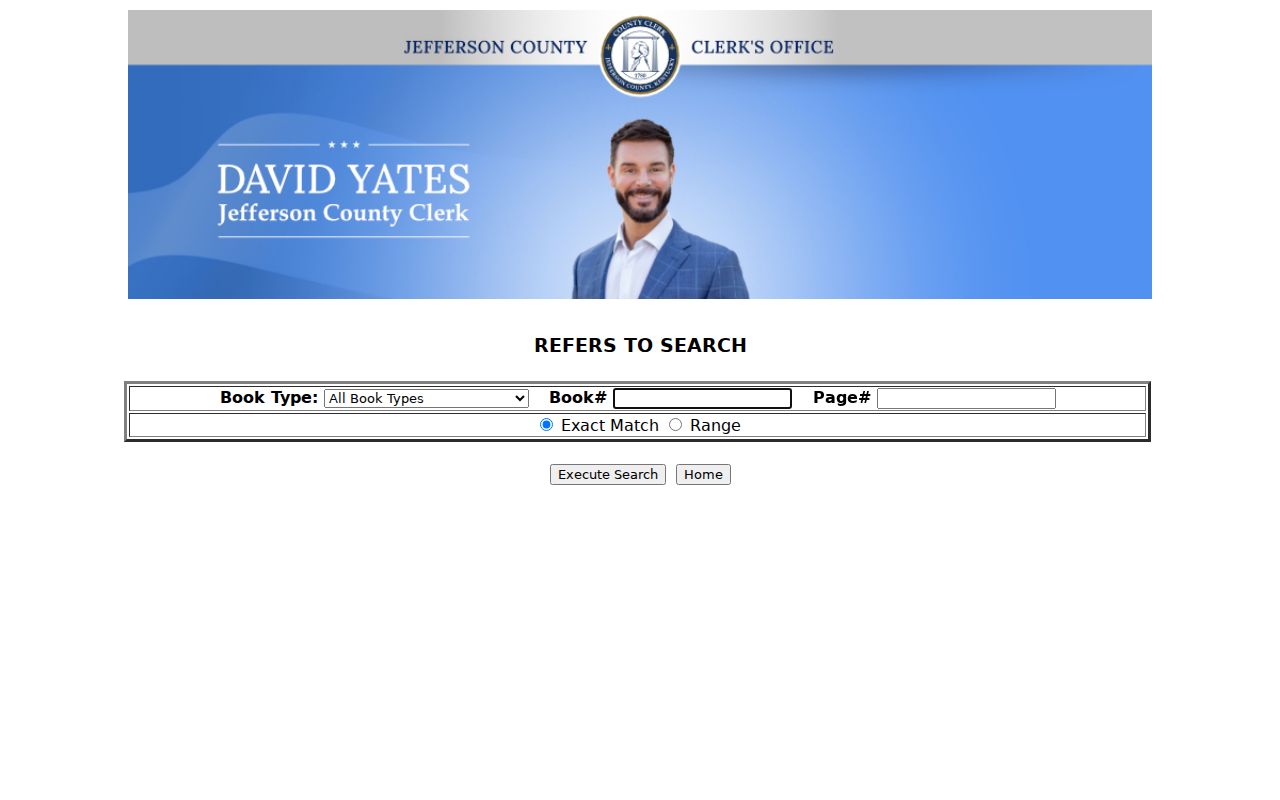
This route can reconnect an address trail when the next prior name is not obvious from the result list.
Current online records reach August 1984, and the clerk's distinct archive covers 1966 through 1984. The Deed Room is the next access channel for earlier books and for questions about image quality, release dates, or record type. Phone and mail can help establish availability, but a visit may be needed for unindexed volumes. Save the archive or book citation even if no image is available online. It gives staff a concrete item to retrieve.
Three Jeffersontown House Chains
Previous residents research becomes clearer when every finding belongs to one of three chains. Title comes from deeds and other recorded instruments. Occupancy comes from directories, census schedules, voter registers, newspapers, permits, and some historical forms. The physical-address chain comes from LOJIC layers, subdivision plats, Sanborn maps, old road names, and legal descriptions.
- Address geometry: normalize the modern site and retain parcel, lot, subdivision, and old street variants.
- Title: connect each grantor and grantee through a dated instrument and stable land description.
- Occupancy: test the address in directories and census sources near each transfer date.
- Context: use maps, permits, newspapers, obituaries, and archives to explain changes without upgrading a clue into proof.
One person may appear in all three chains, or only one. Keep source-role tags such as owner, occupant, title, address geometry, vital event, and historical context in the notes.
Dates should also carry a source meaning. A deed has an execution or recording date. A directory represents its publication cycle. A census records an enumeration date. A permit may show application, approval, and inspection dates. Place them on one timeline, but do not flatten them into a single “lived here” date. A household can remain after a sale, move before publication, or occupy a property without holding title.
Regional Directories for Jeffersontown
Louisville Metro Archives reports city and suburban directories from 1832 through 2000, except Civil War years. The shelf includes named early publishers such as Otis, Collins, Haldeman, Jegli, and Caron's. Official sources do not prove an uninterrupted Jeffersontown-only run. Check whether a particular volume includes suburban entries before treating silence as absence.
A name-first directory can supply an address. A reverse or criss-cross volume can supply a listed occupant from an address. The precise reverse-directory shelf and year span were not published in the inspected text, so ask LFPL or Metro Archives staff to verify the label and year before citing it. The broader collection detail belongs in the Jeffersontown city directories.
LFPL offers remote reference help and access to genealogy databases at branch locations while the Kentucky History Room is temporarily closed. Metro Archives is at 635 Industry Road and holds maps, microfilm, land, marriage, naturalization, and will material alongside directories. A regional directory may place an entry under Louisville, a rural route, or an older road even when the site falls within today's Jeffersontown. Search those geographic labels deliberately.
Old Jeffersontown Road Names
City history says Main and Market later became Watterson Trail and Taylorsville Road. The Southern Railroad depot and the 1903 electric railway also shaped how regional sources described the town's corridors. Search the current address, both old names, rural-route wording, subdivision name, and Louisville or Jeffersontown labels.
No official citywide renumbering date was located. Match an old entry through the legal description, subdivision plat, LOJIC map, and official Street Index File. A same-number result on an old road is only a candidate until the land and map evidence agree.
Jeffersontown was formally established as the Town of Jefferson in 1797, while residents also called it Brunerstown. Those names matter in the earliest county and local-history sources. County deed and court series predate the incorporated city, so an eighteenth-century land reference may not use Jeffersontown at all. Search Chenoweth Run, the historical town names, and Jefferson County context, then demand a land or family link before joining the record to a modern parcel.
Insider tip. When a surname vanishes after a road-name change, search the address and subdivision before deciding the household moved.
Sanborn Clues Between Jeffersontown Names
Metro Archives holds historic Sanborn material from 1905, while an official HABS house-history example cites Sanborn coverage from 1892 through 1961. Map availability for a specific Jeffersontown site must be checked. A map can show a building footprint, street number, use, lot shape, and nearby structures. It cannot name every occupant.
The HABS example concerns a Louisville address, not Jeffersontown, but its method is sound: compare PVA and deeds for title, Caron's entries for dated occupants, and Sanborn sheets for the structure. LOJIC historic imagery and city permit files can extend the physical-address chain into later decades.
Permits can document an enlargement, demolition, change of use, pool, sign, trade installation, or other physical change. Jeffersontown has no public permit index, so request the existing file by address, parcel, record type, and date span from the City Clerk/Treasurer. Public Works files may cover driveways, right-of-way work, drainage, street lights, or trees. A permit applicant might be an owner, contractor, or agent. Preserve the role printed on the form.
Handle Jeffersontown Record Gaps
Digital cutoffs are switch points. The present deed index begins in August 1984, the separate archive covers 1966 to 1984, and KDLA's Jefferson deed inventory identifies a county series from 1783 through 1910. The inventory is not comprehensive. Call or visit the Deed Room for older books, unclear images, and instrument questions.
LFPL provides local-history help and licensed genealogy databases, though its Kentucky History Room is temporarily closed during renovation. Metro Archives, KDLA, Kentucky Historical Society, the Filson Historical Society, and FamilySearch supply other routes. Record “not found in this source” rather than “did not exist.”
Kentucky Historical Society's catalog can search county, surname, title, call number, and material type. The Jefferson County Historical Society catalog includes manuscripts, maps, letters, ledgers, and photographs, with street-name and location filters, though few of its roughly 27,000 catalog records are digitized. The Filson house-history guide recommends combining directories with deeds, maps, and newspapers. Each institution can hold a different link in the same previous-resident chain.
Note: Give archival staff the address variants, parcel or legal description, surname, record type, and a narrow year range.
Confirm Jeffersontown Past Households
Owners are only part of the story. Directories may list an adult at a street address, and census schedules can place a household together. Build a dated sequence: check directory years before and after a census year, compare the address and surnames, then note relationship and age clues from the census. Repeat around a deed transfer. Never force a match when initials, road labels, or household details disagree.
LFPL's Louisville Newspaper Obituary Index covers 1918 through 1987 and can lead to an original notice. Cemetery index cards, probate records, wills, newspapers, church records, and vital indexes can extend the family trail. A will may identify heirs without proving that they occupied the house, and a burial place is not a residence.
Previous residents should be reported as dated findings: “listed at the address in the 1940 directory” is stronger and more accurate than “lived there.” Every claim should retain its source and year.
FamilySearch date ranges offer another way to choose a source: Kentucky county marriages cover 1786 through 1965, probate reaches across 1727 through 1990, voter registers and registration books cover 1904 through 1935, and Louisville cemetery index cards span 1840 through 1988. Access may require a login or an affiliate-library terminal. Use these as leads to the underlying image or custodian record, and respect vital-record confidentiality periods and requester rules.
Lawful use. Research Jeffersontown previous residents for house history, genealogy, estate work, or personal curiosity. Never use a record to track, harass, or harm a living person.